
The History of Chess: From It’s Beginning to Present Day
Chess, one of the world’s most enduring
Chess, one of the world’s most enduring and intellectually challenging board games, has a rich history spanning over a millennium. This captivating journey from its ancient origins to its modern manifestations reveals not just the evolution of a game, but also reflects the development of human society, strategic thinking, and cultural exchange throughout the ages.
The precise birthplace of chess remains a subject of scholarly debate, though most historians agree that the game originated in the Indian subcontinent during the Gupta Empire around the 6th century CE. The earliest form of chess was known as chaturanga, a Sanskrit word referring to the four divisions of the military in ancient India: infantry, cavalry, elephants, and chariots, which would later evolve into the pawns, knights, bishops, and rooks we recognise today.
Archaeological discoveries have unearthed pieces resembling chess figures dating back to this period, providing tangible evidence of the game’s antiquity. These early sets were often crafted from ivory, stone, or wood, with each piece representing a military unit, reflecting the game’s origins as a war simulation rather than merely a pastime.
Chaturanga was played on an uncheckered 8×8 board called ashtapada. The rules differed significantly from modern chess, yet the foundational concept of capturing pieces and strategic movement across the board remained. This early version was likely played with dice, introducing an element of chance absent in contemporary chess.
As merchants and travellers traversed the ancient Silk Road, they carried with them not just goods but also cultural artefacts, including chess. By the 7th century, the game had reached Persia (modern-day Iran), where it underwent its first significant transformation. The Persians called it chatrang, simplifying some rules and beginning the process of eliminating the dice element.
When the Arabs conquered Persia in the 7th century, they adopted the game, further refining it and renaming it shatranj. Under Islamic influence, chess spread rapidly across North Africa and into the Iberian Peninsula. The religious prohibition against creating images of living beings in some Islamic traditions led to the development of abstract chess pieces, a style that would later influence European designs.
During this period, chess became more than a military simulation; it evolved into a tool for intellectual development. Arab scholars wrote numerous treatises on chess, analysing openings, endgames, and tactical combinations. The first recognised chess problems or puzzles appeared in Arabic manuscripts, demonstrating the growing sophistication of the game.
By the 10th century, chess had reached Byzantium and was beginning to make inroads into Eastern Europe. As it travelled, the game continued to adapt to local customs and preferences, setting the stage for its European transformation.
Chess arrived in Europe primarily through three routes: via Moorish Spain, through Italy via Byzantine trade, and through Russia’s contact with Eastern cultures. By the 12th century, the game had become a fixture in European courts, though still largely resembling its Persian and Arabic predecessors.
The European transformation of chess began in earnest during the late 15th century in southern Europe, particularly Spain and Italy. The most significant rule changes included the introduction of the queen’s expanded powers, replacing the previously limited “counsellor” or “minister” piece. The queen became the most powerful piece on the board, completely altering the strategic dynamics of the game.
Other important innovations included the option for pawns to move two squares on their first move, the introduction of castling, and the standardisation of checkmate as the winning condition. These changes collectively created what is sometimes called “mad queen chess” or chess moderna, dramatically increasing the pace and tactical complexity of the game.
The symbolism of the pieces also evolved during this period. The European feudal system influenced the representation of the chess pieces, with the king, queen, bishop (replacing the elephant), knight, rook (from the Persian rukh, meaning chariot), and pawns reflecting the social hierarchy of medieval society. The chess pieces began to take on a more recognisable form, though regional variations remained common.
During the Renaissance, chess transcended its status as a mere game to become a subject of serious study. The first chess books appeared in print, with Luis Ramírez de Lucena publishing what is considered the oldest printed chess book in 1497, “Repetición de Amores y Arte de Ajedrez.” This period saw the emergence of systematic analysis of openings and the development of chess theory.
By the 17th and 18th centuries, coffee houses in major European cities had become centres for chess activity. The famous Café de la Régence in Paris hosted luminaries such as Voltaire, Benjamin Franklin, and Napoleon Bonaparte, all of whom were known to enjoy a game of chess. These establishments fostered a chess culture that extended beyond the aristocracy, gradually democratising the game.
The 18th century also witnessed the rise of the chess automaton, most famously “The Turk,” created by Wolfgang von Kempelen in 1770. This apparent mechanical marvel (which actually concealed a human chess player) captured the public imagination and toured Europe, playing against dignitaries including Napoleon and Benjamin Franklin. Though a hoax, The Turk symbolised the Enlightenment fascination with mechanical ingenuity and the intellectual prowess chess represented.
During this period, chess notation systems developed, allowing games to be recorded and studied. This innovation transformed chess from an ephemeral activity into a cumulative field of knowledge, where players could learn from their predecessors and contemporaries.
The 19th century marked a watershed in chess history with the standardisation of equipment, rules, and competitive formats. In 1849, Nathaniel Cook designed the Staunton chess set, endorsed by English chess master Howard Staunton. This elegant, functional design replaced the wide variety of ornate and often impractical sets previously in use. The Staunton pattern became the international standard and remains so to this day, recognised and used in tournaments worldwide. The Staunton chess set represents the perfect balance of form and function, allowing players to easily identify pieces while maintaining aesthetic appeal.
The first international chess tournament was held in London in 1851, won by Adolf Anderssen of Germany. This event heralded the beginning of organised competitive chess on an international scale. The latter half of the century saw the emergence of the first recognised world champions, though the title was unofficial until the early 20th century.
Paul Morphy, an American prodigy, dominated the chess world in the late 1850s before mysteriously retiring from chess. His games, characterised by brilliant combinations and attacking play, are still studied today. Wilhelm Steinitz, who defeated Anderssen in 1866, is generally considered the first official world champion, holding the title until 1894. Steinitz revolutionised chess theory with his scientific approach, emphasising positional play and the accumulation of small advantages rather than immediate tactical strikes.
The 19th century also saw chess become a subject of serious publications. Chess magazines appeared in various countries, and chess columns became standard features in many newspapers. This wider dissemination of chess knowledge contributed to raising the general standard of play and popularising the game across social classes.
The early 20th century was dominated by a succession of world champions, each contributing something unique to chess theory. Emanuel Lasker held the title for an astonishing 27 years (1894-1921), bringing psychological insights to the game. José Raúl Capablanca, known as the “Chess Machine” for his seemingly effortless precision, took the title from Lasker and held it until 1927. Alexander Alekhine, known for his attacking brilliance, followed Capablanca.
The interwar period saw chess take on new political dimensions. After the Russian Revolution, the Soviet Union embraced chess as part of its cultural policy, providing state support for promising players and establishing a structured training system. This systematic approach would later lead to Soviet dominance in international chess during the Cold War era.
The FIDE (Fédération Internationale des Échecs or World Chess Federation) was founded in 1924, creating a formal structure for international competition and rule standardisation. FIDE introduced the titles of Grandmaster and International Master, providing formal recognition of elite players.
During this period, chess theory continued to develop rapidly. The various chess openings became subjects of intense study, with various schools of thought emerging about optimal play. Hypermodernism, pioneered by Richard Réti and Aron Nimzowitsch, challenged classical notions about controlling the centre directly with pawns, proposing instead to control it from a distance with pieces.
Following World War II, chess became an arena for Cold War rivalry. Soviet players, benefiting from state support and systematic training, dominated international competitions. Mikhail Botvinnik, who became world champion in 1948, epitomised the Soviet school of chess with his scientific, deeply prepared approach.
The most dramatic manifestation of chess as Cold War proxy was the 1972 World Championship match between Soviet champion Boris Spassky and American challenger Bobby Fischer. This “Match of the Century” transcended chess, becoming a symbolic contest between East and West. Fischer’s victory ended 24 years of Soviet domination of the world championship and was celebrated in the United States as a Cold War triumph. His innovative playing style and preparations revolutionised professional chess, setting new standards for opening preparation and overall precision.
After defeating Spassky, Fischer’s subsequent behaviour—refusing to defend his title and eventually disappearing from public chess—created a vacuum at the top of the chess world. Soviet dominance resumed with Anatoly Karpov, who was awarded the championship when Fischer failed to defend his title in 1975.
The Karpov-Kasparov rivalry, which began in 1984, produced some of the most intensely contested matches in chess history. Their five world championship matches spanning 1984 to 1990 featured contrasting styles—Karpov’s positional precision against Kasparov’s dynamic aggression—and may represent the highest level of sustained chess excellence ever witnessed.
The relationship between chess and computing began in the 1950s when programming pioneers like Claude Shannon and Alan Turing developed the first chess algorithms. For decades, human champions maintained their superiority, but the gap gradually narrowed. The watershed moment came in 1997 when IBM’s Deep Blue defeated world champion Garry Kasparov in a six-game match, marking the first time a computer had beaten a reigning world champion under tournament conditions.
Rather than diminishing interest in chess, this human-computer contest actually revitalised public fascination with the game. In subsequent years, chess engines continued to improve, reaching playing strengths far beyond human capabilities. Today, programs like Stockfish and AlphaZero play at levels that would have seemed impossible just decades ago, with AlphaZero’s self-taught, intuitive style particularly revolutionising how humans understand the game.
The internet has democratised access to chess resources and competition. Online platforms like Chess.com and Lichess allow players worldwide to compete, learn, and improve. Digital tools have transformed chess training, with databases containing millions of games and powerful analysis engines available to players of all levels. The electronic chess revolution has made high-level instruction accessible to anyone with an internet connection.
The 21st century has seen chess experience a remarkable renaissance. The World Chess Championship continues to capture global attention, with players like Viswanathan Anand, Magnus Carlsen, and most recently, Ding Liren, achieving fame beyond the chess world. Carlsen, in particular, has brought fresh energy to chess, holding the world championship from 2013 to 2023 and achieving the highest rating in chess history.
The COVID-19 pandemic accelerated the growth of online chess, with participation numbers soaring as people sought intellectual stimulation during lockdowns. The release of the Netflix series “The Queen’s Gambit” in 2020 created an unprecedented surge in chess interest, particularly among women and girls, helping to address the historical gender imbalance in chess participation.
Chess streaming has emerged as a popular form of entertainment, with grandmasters and entertaining amateurs building large audiences on platforms like Twitch and YouTube. These streamers have made chess more accessible by combining high-level analysis with engaging commentary, helping to dispel the game’s sometimes intimidating reputation.
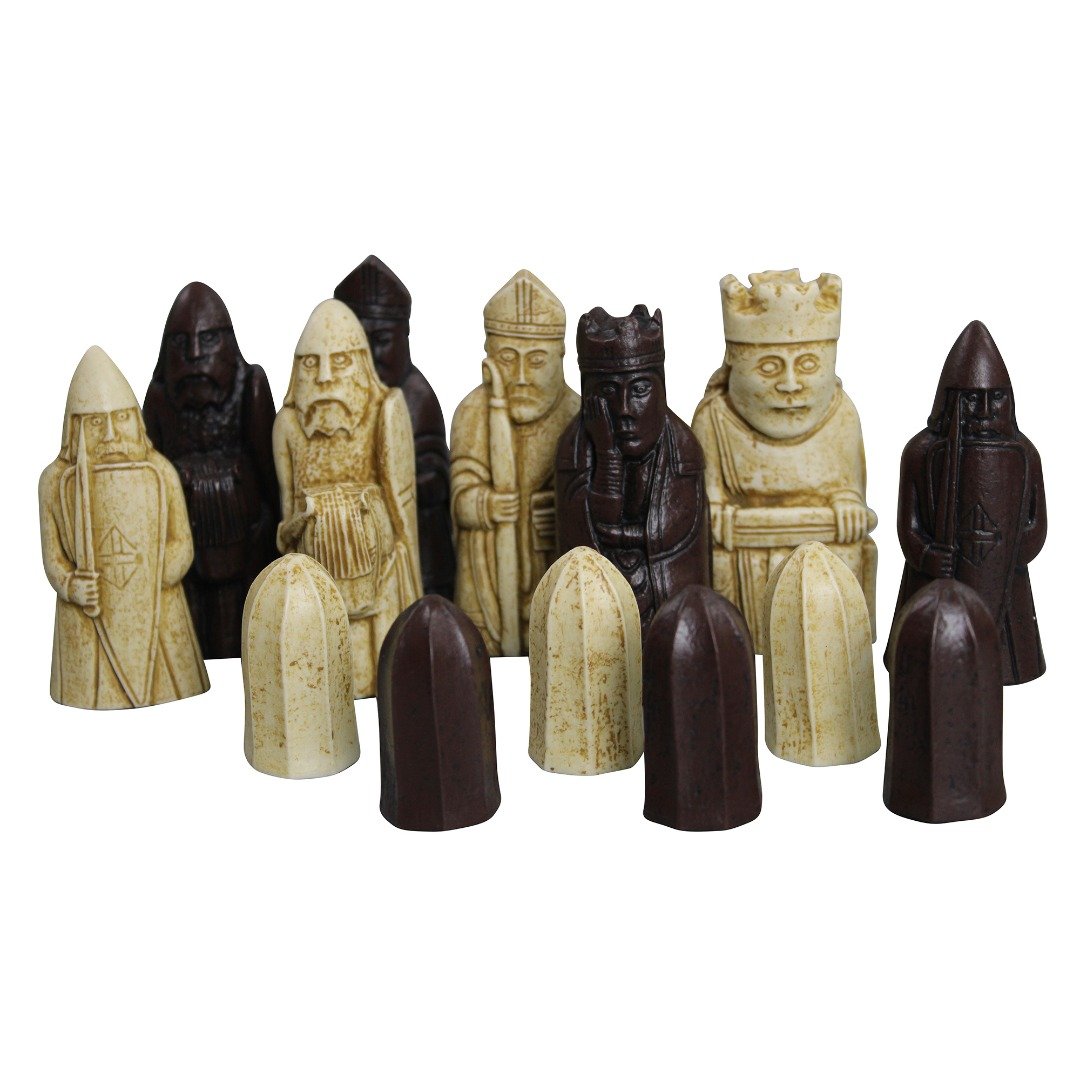
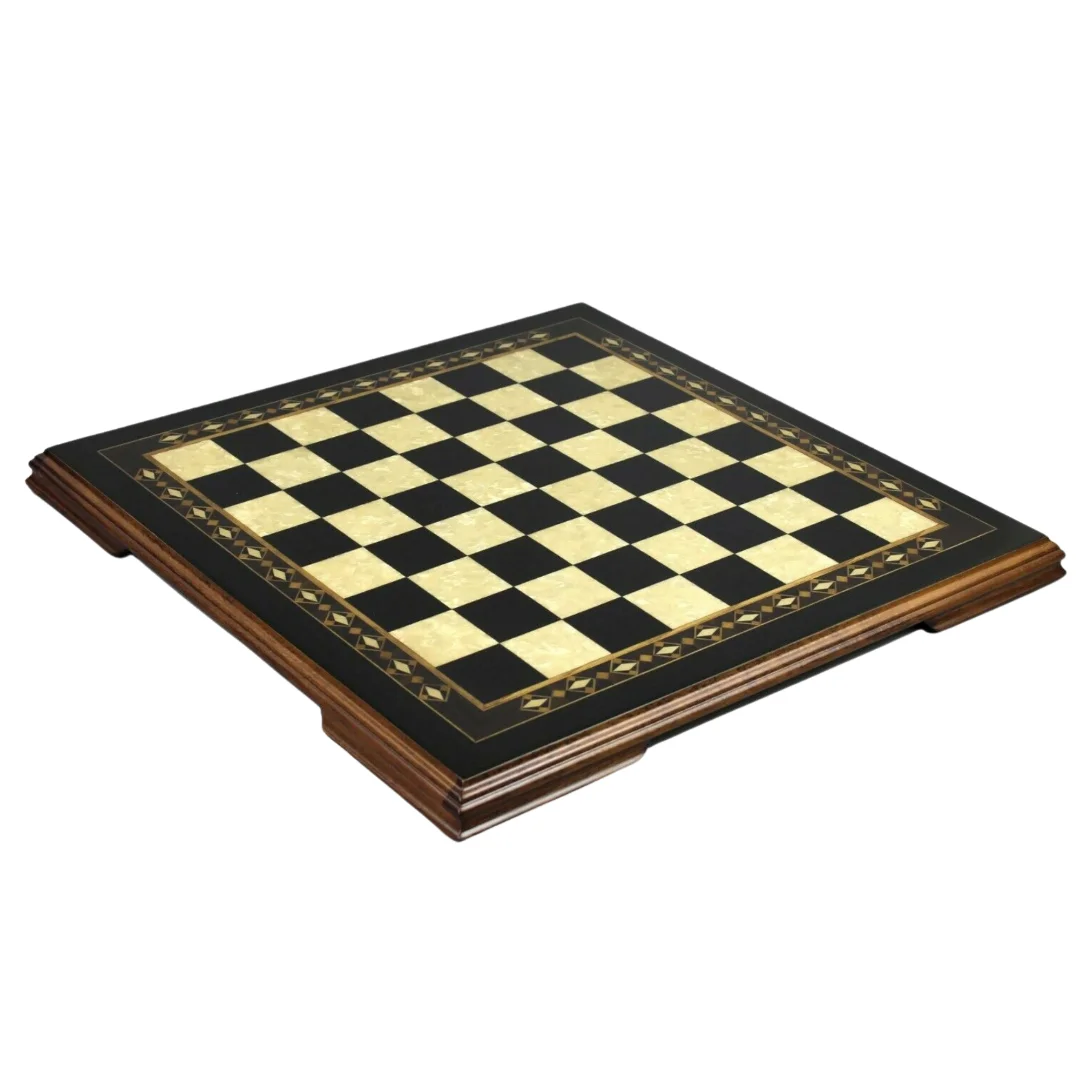
Modern chess sets now range from traditional Staunton designs to innovative artistic interpretations, reflecting chess’s dual identity as both serious competition and cultural artefact. Luxury chess sets crafted from fine materials continue the centuries-old tradition of chess as an art form, while tournament-standard sets maintain the functionality required for competitive play.
From its origins on the battlefields of ancient India to its current status as both elite sport and popular pastime, chess has demonstrated remarkable resilience and adaptability. Its core elements—strategic depth, tactical calculation, and the balance of creativity with precision—have remained compelling across cultures and centuries.
As we look to the future, chess continues to evolve while remaining fundamentally the same game that has challenged and delighted players for over a millennium. With artificial intelligence revealing new possibilities within the game and online platforms making chess more accessible than ever, the ancient game seems poised for continued relevance in our rapidly changing world.
Whether played with exquisite hand-carved pieces on a wooden board or as pixels on a screen, chess retains its power to connect us—to our history, to each other, and to the timeless pleasure of intellectual challenge. The luxury chess sets of today carry forward a tradition that has enriched human culture for centuries, ensuring that the royal game will continue to captivate generations to come.

Chess, one of the world’s most enduring

Learning chess can be both thrilling and

Explore wooden chess sets: from understanding their
Explore Howard Staunton’s life, his significant contributions