The History of Chess: From It’s Beginning to Present Day
Chess, one of the world’s most enduring
TL;DR:
"Are chess grandmasters made or born? That's the crux of our exploration today. A chess grandmaster title, the highest achievement in chess, draws intrigue and curiosity. Do you make the cut? Stay gripped as we unwrap the secrets of these intellectual titans, their rise to prominence, their strategies, and their remarkably intriguing world. Sharpen your game, elevate your knowledge, and get lost in the captivating world of chess grandmasters."
In the wide world of chess, the term Chess Grandmaster stirs awe. But what is it? What does it take to earn this grand title? Let’s delve in.
A Chess Grandmaster is one who has reached the top. The International Chess Federation (FIDE) bestows this title. It's the highest title a chess player can achieve, save for World Champion.
To be a Chess Grandmaster is no small feat. It needs talent. Yet, it also demands hard work. First, a player must earn a FIDE rating of 2500. This is not easy. It means you must win or draw games against other highly rated players. Second, a player must score three Grandmaster Norms. These are high scores in tournaments, against other top players.
The Chess Grandmaster title was not always as we know it now. FIDE only began handing out the title in the mid-20th century. In the time before that, the term was informal. It honoured those seen as the best players. The first official Chess Grandmasters were named in 1950. Over the years, FIDE has refined the process for earning the title. This has made the path clearer. Yet, it's not made it any easier to tread.
Being a Chess Grandmaster is more than a title. It's a sign of skill, endurance, and strategic acumen. As we see, it's born out of both inborn talent and determination.
Among the many grandmasters in the world of chess, two stand out – Magnus Carlsen and Garry Kasparov.
Magnus Carlsen, from Norway, is a giant on the chess board. People know him best for his aggressive style. He stays on top with his fast game finishes. Many times, Carlsen traps his rivals in a web of tactical plays. It's a joy to watch!
Garry Kasparov, from Russia, is another chess great. His play stands out for its depth. Often, he lands winning moves that look risky. But it's his deep knowledge that sets the play. His games are a treat for any chess lover!
It's rare, but some grandmasters do lose their titles. This usually happens for reasons like cheating. But don't worry, our friends Carlsen and Kasparov? They're still rocking those titles! And they build their legacies, game after game, making chess history every day.
Chess Grandmasters play with strategy and pattern recognition. They use a keen eye for detail, an ability to think ahead, and a deep understanding of the game's intricacies.
Grandmasters select candidate moves by looking ahead, analysing potential outcomes. They don't jump on the first good move they see. Instead, they carefully consider multiple options, assessing the risks and payoffs of each.
Pattern recognition is crucial in chess. Grandmasters have played so many games, they've seen almost all the patterns there are! This helps them anticipate their opponent's moves and react promptly. Multi-move strategies unfold like stories in their minds, a skill honed over countless hours of practice.
We can learn much from how grandmasters play chess. Their patience and strategic thinking are not just good for the game, they're valuable life skills. Their use of pattern recognition shows us the power of experience and how it can make us better decision-makers. So next time you play a game of chess, try to tap into your inner Grandmaster. You might just surprise yourself with how well you do!
In the world of chess, grandmasters hold a special place. They are the rock stars among the pawns and knights. They set chess records and achieve chess milestones that others only dream of.
Grandmasters make chess seem like magic. For example, there's Bobby Fischer, who at 15, became the youngest grandmaster in history. Or Judit Polgar, the only woman to ever be in the top 10. And let's not forget about Viswanathan Anand, who won the World Chess Championship five times!
The chess world has seen its fair share of milestones. In 1950, FIDE (the International Chess Federation) awarded the title of Grandmaster to 27 players for the first time. Fast forward to 2007, and there were more than a thousand! It's truly amazing to witness how the game has grown.
Becoming a chess grandmaster is not about luck or just being born smart. It takes years of intense training, commitment, and, indeed, a love for the game. While talent does play a part, hard work, I believe, plays a bigger one. So, yes! With the right determination and practice, anyone can strive to become a chess grandmaster. I encourage you to pursue your chess dreams, and who knows? You might be the next grandmaster breaking chess records and making history!
When it comes to chess, information plays a key role. You need to know both the basic rules and the complex strategies. In other words, you need resources. So, what resources can we use to improve our knowledge about chess grandmasters?
Here are a couple of links to help you start your journey. The first is a Wikimedia page dedicated entirely to chess grandmasters. The second is a WikiData page that presents an entity view of chess grandmasters. These can be your go-to sources for a comprehensive list of grandmasters, past and present.
Now, you may be curious about the background, games, and achievements of these grandmasters. For this, your best bet is to dive into the biography and history sections of these pages.
To discover the rich history of chess grandmasters, hit the libraries or bookstores. Look for books authored by chess masters or books detailing the lives of grandmasters. Books like "My Great Predecessors" by Garry Kasparov offer insights into the minds of chess greats. These can provide an informative perspective into their playing styles and strategies.
Moreover, many online platforms, like Chess.com, also share articles on the history of chess grandmasters.
Besides books and websites, playing historic games can be a great way to understand chess strategies better. Analyse grandmaster games, step by step, to learn their techniques. Use online platforms that archive famous games – replay, understand, and try to mimic their moves.
Whether you're a casual player looking to improve your game or a budding enthusiast aiming for grandmaster status, these resources are invaluable. With a library of knowledge at your disposal and relentless practice, you may soon find yourself pondering over the chessboard with grandmaster flair.
We've peered into what makes a chess grandmaster, charted the journeys of notable figures like Carlsen and Kasparov, and explored how grandmasters employ powerful strategies in the game. From vital milestones in chess history to a myriad of resources that can boost your knowledge about these masters of the board, it's clear there's a wealth of detail and nuance behind the title of chess grandmaster. Who knows, maybe with dedication and insight, you could join their ranks. Stay tuned for more insights into the riveting world of chess and backgammon.

Chess, one of the world’s most enduring
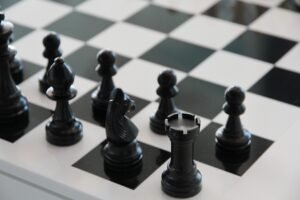
Learning chess can be both thrilling and
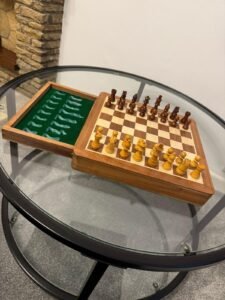
Explore wooden chess sets: from understanding their
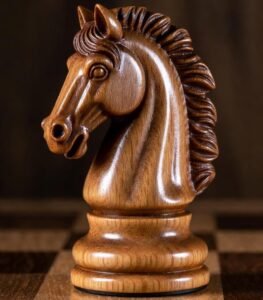
Explore Howard Staunton’s life, his significant contributions