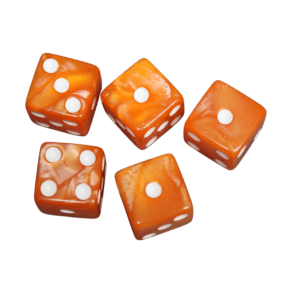
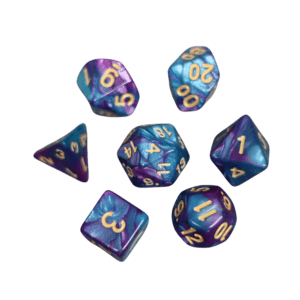
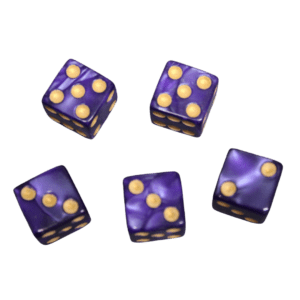
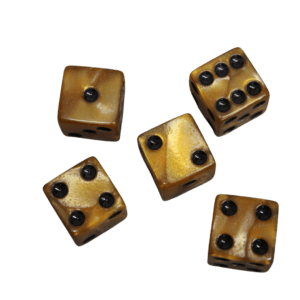
Dices, Everything You Need to Know.
Dices are often associated with games and gambling, but their utility extends far beyond these realms. These small, multifaceted objects have found their way into various aspects of everyday life, from education to art, and even decision-making. Their ability to generate randomness makes them invaluable tools in a wide range of applications.
The Ubiquitous Presence of Dices
Dices are everywhere, from classrooms to art studios, and even in our daily decision-making processes. Their simplicity and effectiveness make them a go-to tool for introducing an element of chance.
Why Dices Are More Versatile Than You Might Think
While most people think of dices in the context of games, their uses are incredibly diverse. They can be educational tools, artistic mediums, and even aids in making everyday decisions.
Educational Uses of Dices
Dices are excellent tools for teaching and learning, particularly in the fields of mathematics and probability.
Teaching Probability and Statistics with Dices
Dices provide a hands-on way to explore concepts like probability, variance, and statistical outcomes. Rolling a dice multiple times and recording the results can help students understand these abstract concepts in a tangible way.
Dices in Classroom Games and Activities
Teachers often use dice games to make learning fun and engaging. Whether it’s a math game or a language activity, dice can add an element of excitement to the classroom.
Enhancing Mathematical Skills Through Dice Games
Games that involve adding, subtracting, or multiplying dice rolls can help students improve their arithmetic skills in a playful and interactive manner.
Dices in Decision-Making
Sometimes, making decisions can be challenging, and dices offer a simple solution by introducing randomness.
Using Dices for Random Selection and Decision-Making
From choosing what to eat for dinner to deciding which movie to watch, dices can help break the deadlock when making decisions.
Popular Dice-Based Decision-Making Tools and Apps
There are numerous apps and tools that simulate dice rolls for decision-making, offering a digital alternative to physical dice.
The Psychology Behind Relying on Dices for Choices
Using a dice to make decisions can reduce the stress and anxiety associated with choosing, as it removes the burden of responsibility from the individual.
Dices in Art and Design
Dices have also found a place in the world of art and design, serving as both mediums and motifs.
Dices as Artistic Mediums and Motifs
Artists have used dices in various ways, from incorporating them into sculptures to using them as subjects in paintings.
Famous Artworks and Installations Featuring Dices
Some notable artworks feature dices prominently, exploring themes of chance, fate, and randomness.
The Aesthetic Appeal of Dices in Modern Design
Dices’ geometric shapes and numerical markings make them visually appealing, and they are often used in modern design for their aesthetic qualities.
Dices in Popular Culture
Dices have made their mark in popular culture, appearing in movies, TV shows, and literature.
Dices in Movies, TV Shows, and Literature
From iconic scenes in films like “Indiana Jones and the Temple of Doom” to their symbolic use in literature, dices often represent chance and risk.
Iconic Dice Moments in Pop Culture
Certain dice-related moments have become iconic, resonating with audiences and becoming part of cultural lore.
The Symbolism of Dices in Storytelling
In storytelling, dices often symbolise fate, chance, and the unpredictability of life.
Dices in Rituals and Superstitions
Dices have also played a role in various rituals and superstitions throughout history.
Historical and Cultural Rituals Involving Dices
In some cultures, dices have been used in rituals to predict the future or make important decisions.
Superstitions and Beliefs Surrounding Dices
Many people have superstitions about dice, believing that certain numbers or rolls are lucky or unlucky.
The Role of Dices in Fortune-Telling and Divination
Dices have been used in fortune-telling practices, where their rolls are interpreted to predict future events.
DIY and Craft Projects with Dices
Dices can also be repurposed for various DIY and craft projects, offering a creative outlet for enthusiasts.
Creative Ways to Repurpose Old Dices
Old or unused dices can be turned into jewellery, keychains, or decorative items.
Step-by-Step Guides for Dice-Based Crafts
There are numerous tutorials available for creating dice-based crafts, from simple projects to more complex designs.
Personalising Dices for Gifts and Decorations
Customising dices with paint, engraving, or other decorations can make for unique and personalised gifts.
The Science of Dices
The science behind dices is fascinating, involving principles of physics and mathematics.
The Physics of Dice Rolls
Understanding the physics of how dice roll can help in designing fair and balanced dice.
Ensuring Fairness and Balance in Dices
Casino dice, for example, are precision-engineered to ensure they are fair and unbiased.
The Mathematics Behind Dice Probabilities
The study of dice probabilities is a complex field, involving calculations of likelihood and statistical outcomes.
Conclusion
Dices are incredibly versatile tools that extend far beyond their traditional uses in gaming and gambling. They play significant roles in education, art, decision-making, and even rituals. Their ability to introduce an element of chance makes them invaluable in various applications. Whether you’re using them to teach a concept, make a decision, or create a piece of art, dices offer endless possibilities. So next time you come across a dice, consider the myriad ways it can be used beyond the gaming table.